How Finn Juhl Broke the Rules of Danish Modern Design
Finn Juhl redefined what furniture could be by treating it as sculpture rather than strict utility. His work pushed beyond the boundaries of traditional Danish Modern design and helped shape a new direction for mid-century interiors.
The Finn Juhl influence can still be seen in contemporary furniture today, especially in how designers balance comfort with artistic form. His approach played a major role in the wider Danish design evolution, shifting the focus from rigid functionalism toward expressive, human-centered design.
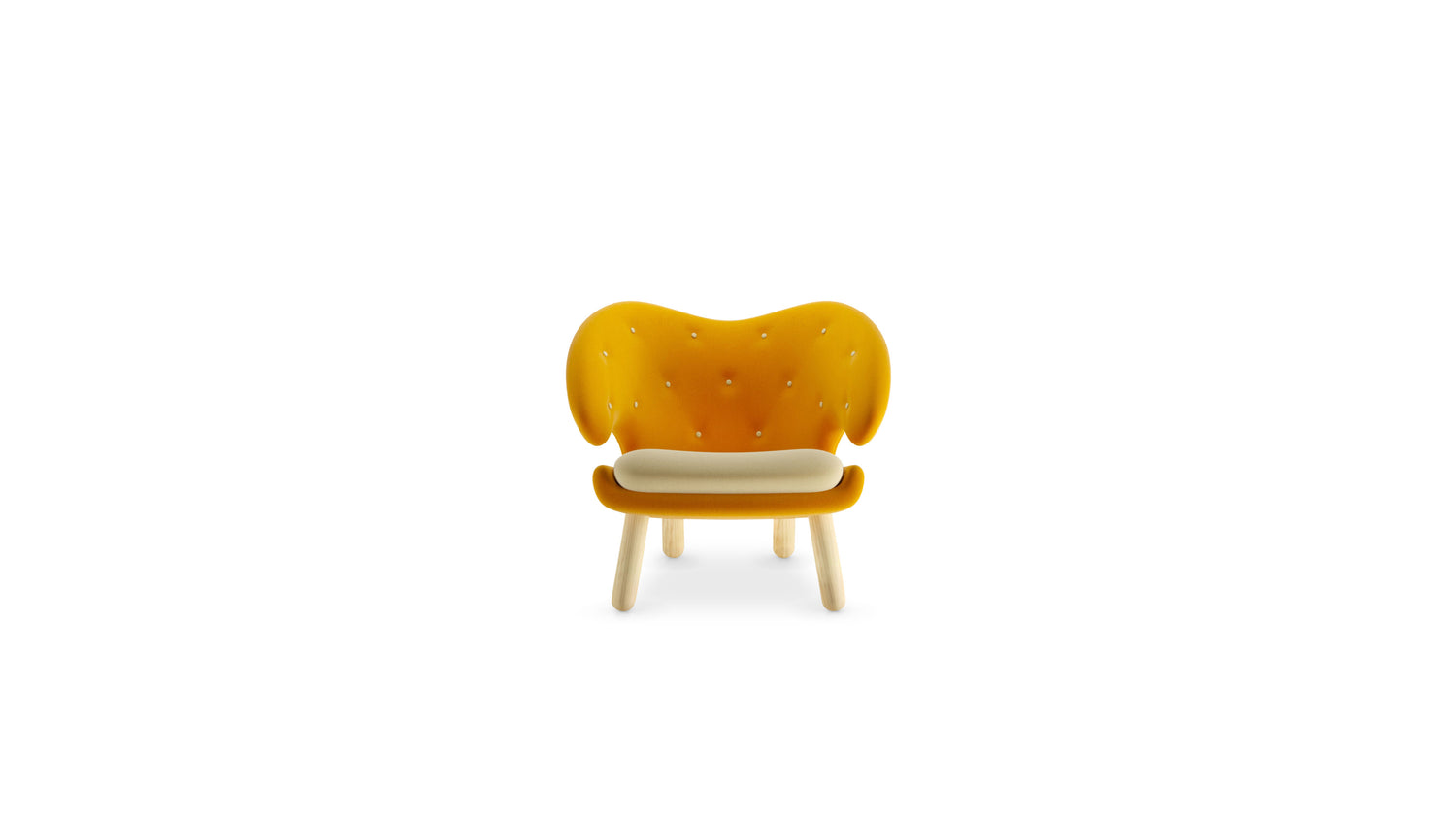
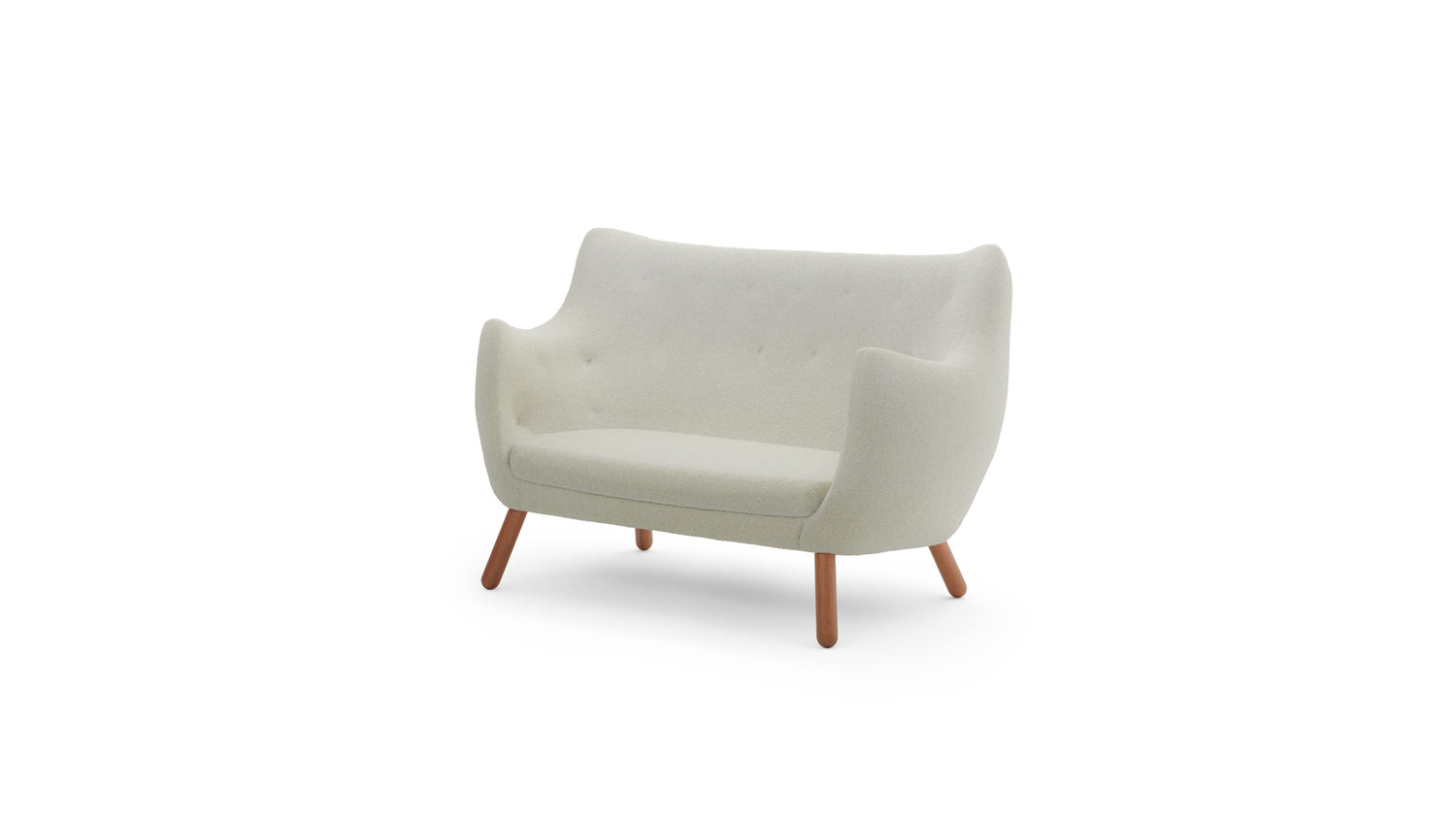
Here at Archetype Forms, we celebrate this legacy through carefully curated reproductions of his most important works, including the Pelican Chair and the Poet Sofa. These pieces reflect Juhl's commitment to organic shape, craftsmanship, and emotional presence in design.
In this blog, we explore how he broke established rules, why his ideas were controversial at the time, and how his work continues to shape modern interiors across the USA and Canada.
Finn Juhl: Quick Facts
- Full Name: Finn Juhl
- Date of Birth: January 30, 1912 (Frederiksberg, Denmark)
- Date of Death: May 17, 1989 (Ordrup, Denmark)
- Profession: Architect, Interior Designer, and Industrial Designer
- Education: Royal Danish Academy of Fine Arts, School of Architecture
- Accomplishments: Pioneered organic, sculptural modernism; designed the Trusteeship Council Chamber at the United Nations Headquarters in New York; multiple-time Milan Triennale gold medal winner.

Table of Contents
- The Danish Modern Rules Finn Juhl Challenged
- Why Finn Juhl Chose Expression Over Strict Function
- Breaking the Rule of Form Follows Function
- The Poet Sofa and the Pelican Chair as Rule Breakers
- Materials, Color, and Craftsmanship in Juhl's Work
- Legacy: How Finn Juhl Changed Modern Furniture Design
- Frequently Asked Questions
- Explore Timeless Design With Archetype Forms
The Danish Modern Rules Finn Juhl Challenged
Danish Modern design focused on simplicity, function, and clean structure. Furniture was expected to be practical, minimal, and free from decoration. Straight lines and clear construction defined the style, with little room for personal expression.
Finn Juhl stepped into this system with a different view of what furniture could be. He did not reject function, but he refused to let it control every design decision. Instead, he introduced softness, curves, and sculptural shaping into a design culture built on discipline.
This approach created early resistance, and his work was seen as too expressive compared to the restrained norms of the time. While others aimed for clarity and efficiency, Juhl focused on atmosphere and form.
His early designs marked a shift in thinking: that furniture could still serve a purpose while also carrying artistic presence. This idea challenged the foundation of Danish Modern design and opened space for a new direction in mid-century furniture.
Why Finn Juhl Chose Expression Over Strict Function
Finn Juhl's background in architecture exposed him to functionalist thinking, but his interests went beyond structure alone. He was influenced by art, sculpture, and organic forms, which shaped how he viewed furniture design.
He believed furniture should do more than perform a task. It should also create feeling and define the character of a space, which led him to design pieces that balanced use with visual expression.
At the time, this view was not widely accepted. Many designers focused on efficiency and standardisation. Juhl's approach was seen as unusual because it placed emotional impact on the same level as function.
Instead of following strict rules, he explored proportion, curvature, and visual flow. His furniture began to feel more like objects of art that could still be lived with and used daily.
This shift in thinking helped reposition furniture design as something more human and expressive within the broader Danish Modern movement.
Breaking the Rule of Form Follows Function
Modernist design often followed the idea that form should be driven entirely by function. In practice, this meant furniture was shaped by use alone, with little freedom for interpretation.
Finn Juhl challenged this idea by separating structure from appearance. He treated supporting frames and upholstered elements as distinct parts of a single design, allowing him to shape furniture in more fluid and unexpected ways.
Instead of hiding structure or letting it dominate form, he created visible relationships between components. Seats appeared to float within frames, and curves replaced rigid geometry.
This approach kept function intact but gave each piece a stronger visual identity. Furniture still worked as intended, but it also introduced a sense of movement and lightness.
Juhl's method showed that function did not need to fully control form. Design could support use while also expressing personality and artistic intention.
The Poet Sofa and the Pelican Chair as Rule Breakers
The Poet Sofa and Pelican Chair show how far Finn Juhl moved away from traditional Danish Modern design. Both pieces reject strict geometry and introduce sculptural, organic shapes.
The Poet Sofa was designed with intimacy in mind. Its curved back creates a sense of enclosure, while its compact form suits smaller living spaces. The influence of surrealist art can be seen in its soft, unusual proportions.

The Pelican Chair is more expressive. Its curved arms and rounded body give it an almost animal-like presence. It stands apart from the straight, functional chairs common at the time.

Both pieces highlight Juhl's belief that furniture should shape how a space feels, not just how it functions. They balance comfort with strong visual identity, making them recognisable from any angle.
Archetype Forms continues to present these designs as part of our curated collection, keeping their original intent and craftsmanship visible in modern interiors.
Materials, Color, and Craftsmanship in Juhl's Work
Finn Juhl used materials as a core part of his design language. For example, wood, leather, and fabric were chosen for both function and visual effect, and each material contributed to the overall shape and presence of the piece.
He often separated structural frames from soft seating elements. This created contrast between solid and soft surfaces, adding depth to his designs.
Color use was subtle but intentional. Instead of relying on bold decoration, he used tone and texture to highlight form, which helped define curves and transitions within each piece.
Craftsmanship was essential to his process. Juhl worked closely with skilled makers who could translate complex shapes into precise construction. Attention to detail ensured that each curve and joint supported both comfort and stability.
The result was furniture that felt refined but also expressive. Materials were not hidden or secondary; rather, they were part of the design idea itself, reinforcing both structure and visual character.
Legacy: How Finn Juhl Changed Modern Furniture Design
Finn Juhl's work changed how furniture design was understood in Denmark and beyond. He introduced a more expressive approach that allowed form and function to coexist without strict hierarchy.
His influence helped shift Danish Modern design away from pure restraint toward more organic and human-centered thinking. Later designers adopted similar ideas, using curves, softness, and sculptural shapes in their own work.
Internationally, his ideas influenced both mid-century and contemporary design movements. The balance between structure and expression became more widely accepted in furniture design practice.
Today, his work remains highly regarded for its originality and lasting relevance, and his pieces continue to appear in museums, auctions, and curated collections, showing ongoing interest in his approach.
At Archetype Forms, this legacy is reflected through carefully selected reproductions that preserve the character of his original designs. His impact continues to shape how modern interiors combine comfort, form, and visual identity.
Frequently Asked Questions
How Archetype Forms Selects Finn Juhl-Inspired Pieces for Its Collection?
Archetype Forms selects pieces based on design integrity, proportion, and faithfulness to mid-century principles. Each item is reviewed for:
Sculptural quality
Craftsmanship standards
Long-term visual relevance
The focus stays on furniture that preserves original design intent while fitting modern interiors across the USA and Canada.
Why Archetype Forms Focuses on Mid-Century and Danish Modern Furniture?
Archetype Forms focuses on mid-century and Danish Modern furniture because these movements prioritise clarity, function, and lasting design value.
These qualities suit contemporary homes where furniture needs to be practical while still carrying strong visual identity. The result is a collection that avoids trend-driven design.
How Archetype Forms Ensures Quality Across Reproduction Furniture?
Archetype Forms ensures quality through:
Strict material selection
Controlled production methods
Careful attention to proportions
Each piece is assessed against original design references to maintain structural accuracy and consistency. This process supports durability, comfort, and long-term usability.
What Customers Should Expect When Ordering From Archetype Forms?
Customers can expect made-to-order production, curated material options, and delivery across the USA and Canada.
Each order is prepared with attention to finish, specification choices, and overall consistency. The process is designed to support both customization and design fidelity.
How Archetype Forms Balances Historical Design With Modern Living Needs?
Archetype Forms balances historical design with modern living needs by adapting classic furniture for contemporary use while preserving core proportions and identity.
Updates in materials and production methods help ensure suitability for today's interiors without changing the original design language.
Why Archetype Forms Highlights Designers Like Finn Juhl?
Archetype Forms highlights designers like Finn Juhl because their work represents key developments in modern furniture history.
These designs continue to influence interior design today through their focus on structure, comfort, and visual expression. The collection aims to keep these ideas accessible in modern homes.
Explore Timeless Design With Archetype Forms
Archetype Forms continues to celebrate design that stands the test of time through carefully selected mid-century and modern pieces. Finn Juhl's influence remains visible in today's interiors, especially in how form and comfort work together without compromise.
Our collection reflects this approach, offering furniture that fits naturally into both classic and contemporary homes across the USA and Canada. As modern furniture trends continue to shift toward simplicity and durability, the focus remains on pieces that hold long-term value rather than short-term appeal.
Explore our curated selection to find designs that bring lasting character to everyday living spaces.