By messaging us, you consent to receive messages from Archetype Forms at the number you
use to contact us, and you are opting in to receive future messages or a phone call at
that number. Message and data rates may apply. See our
Terms of Service and
Privacy Policy for more
information.
Administration
Archetype Forms
329 Howe Street, Unit 1221
Vancouver, BC V6C 3N2, Canada
Where we deliver
Throughout Canada and the Continental USA. Your rate is calculated at checkout. Standard
delivery is $299, and free on orders over $4,000. White glove pricing shows in your cart, based on your order size
and delivery address.
Standard delivery
By appointment and to your threshold, which is typically your doorway, garage or lobby. A
signature is required for release. Smaller items may ship by courier, and still require a
signature for release.
White glove delivery
By appointment, placement in your home, room of choice up to one flight of stairs, full
removal of the packaging, and minor assembly where required. A signature is required for
release.
Taxes and duties
USA orders have no sales tax. Canadian orders have sales tax calculated at checkout. There
are no duties, tariffs or VAT on deliveries within Canada and the USA.
The Barna Lounge Chair & Ottoman were originally released as the Barcelona Lounge Chair and Ottoman for the German Pavilion at the 1929 Barcelona Exposition. Designed by leading Bauhaus figure Ludwig Mies van der Rohe, the chair & ottoman were official seating for the reception of the Spanish king and queen.
The Barna Chair & Ottoman's crossbar base design is inspired by ancient Egyptian folding stools and 19th-century neoclassical seating. Mies van der Rohe described the need for them to be “monumental” and “elegant” to appropriately receive royalty.
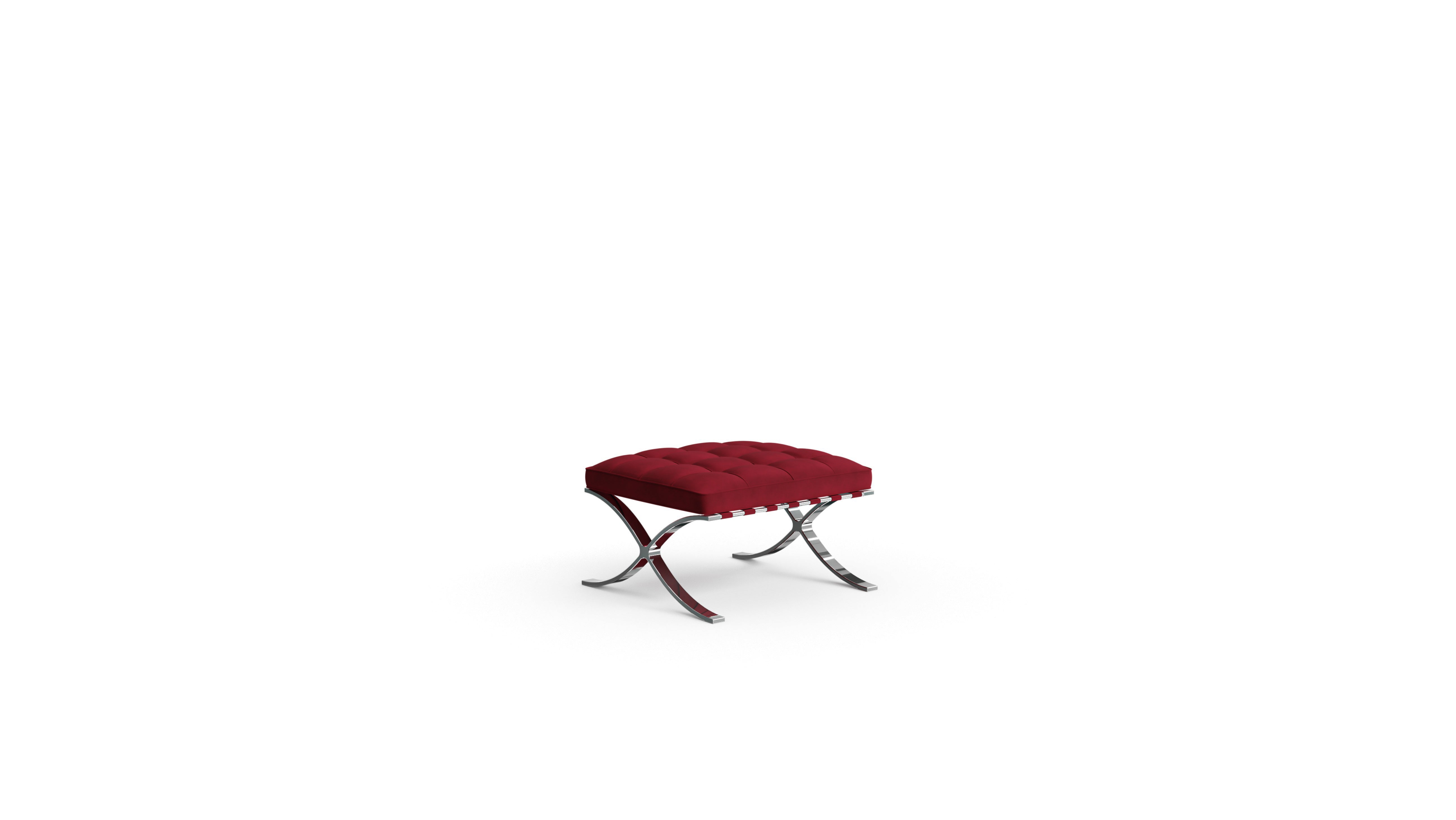
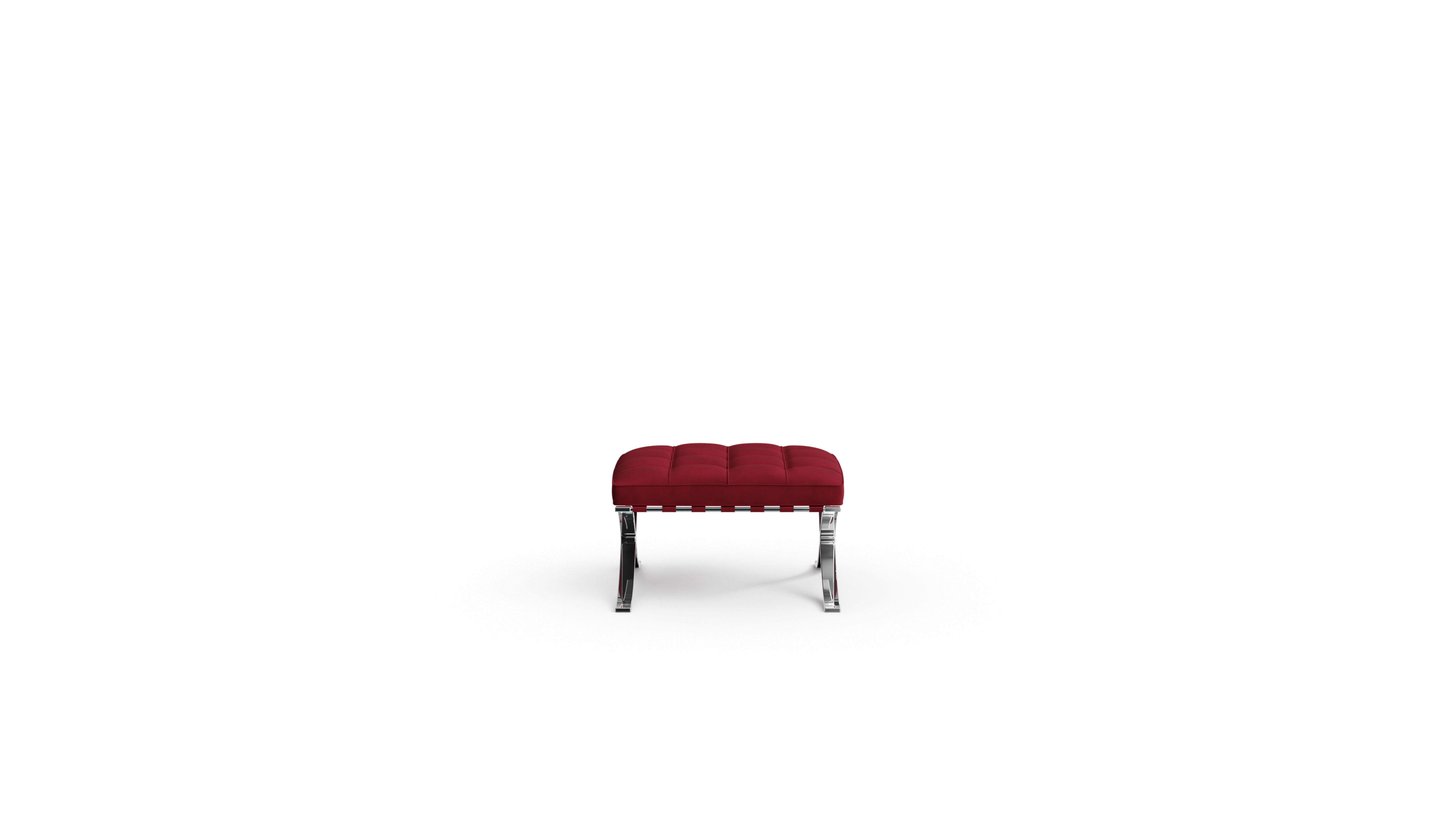
Shown in rich red Vermiglio Nubuck Sueded Leather on Hand Ground & Polished Mirror Chromed Stainless Steel.
The Archetype Forms Barna Series: Stool Ottoman is a faithful reproduction of the original Mies van der Rohe Barcelona Stool Ottoman, model 251Y.
The images shown are for illustrative purposes. Actual finishes, patterns, and details may vary slightly due to the nature of materials used and quality refinements. Colors and textures may appear differently across devices and screen settings.
A full-aniline Brazilian nubuck with a buffed surface, creating a velvety texture. The nap reveals a rich two-tone color variation when touched. Made from full-grain hide, it offers excellent depth with a characteristic soft hand and substantial body.
ORIGIN: Americas | Brazil
TAN: Full-Aniline
GRAIN TYPE: Made from Full-Grain, Natural Pattern
HAND: Soft & Velvety
THICKNESS: 1.8 mm
FINISH: Velvety, Buffed, Visible Grain
SURFACE: Two-Tone, Directional Color Shift
DIGITAL SWATCH: 2.5x2.5"
Material Details
Premium 30µm multilayer chrome plating (2-4x thicker than industry standard) on 304 stainless steel. This finish delivers the highest-shine, most reflective finish available. Regular cleaning with soft cloth and occasional polishing maintains the pristine mirror-like appearance.
BASE: 304 Stainless Steel
FINISH: Multi-Layer 30µm Nickel-Chrome
APPEARANCE: Mirror like; Brightest reflectivity
CARE: Med-high; regular cleaning; chrome polish for extra shine; avoid hard impact or abrasive materials
Sueded Leather | Nubuck
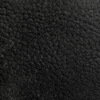
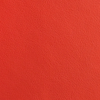
Vermiglio | Aniline Sueded Leather Nubuck: 1.8 mm
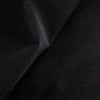
Black | Aniline Sueded Leather Nubuck: 1.8 mm
Rich Sierra | Aniline Sueded Leather Nubuck: 1.4 mm
Coturno | Aniline Sueded Leather Nubuck: 1.4 mm
Marsala | Aniline Sueded Leather Nubuck: 1.4 mm
Leather
Black | Aniline Leather 1.1 mm
White | Aniline Leather 1.1 mm
Papiro | Aniline Leather 1.1 mm
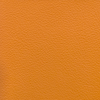
Terracotta | Aniline Leather 1.3 mm
Sabbia | Aniline Leather 1.1 mm
Tangeri | Aniline Leather 1.1 mm
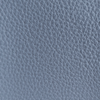
Ceruleo | Aniline Leather 1.5 mm
Carminio | Aniline Leather 1.4 mm
Velvet
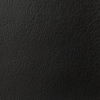
Obsidian Black | Woven Velvet
Moon | Etched & Knitted Velvet
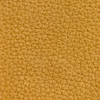
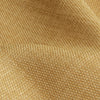
Golden Ochre | Woven Velvet
Cerise | Heavyweight Woven Velvet
Chenille
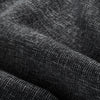
Midnight Weave | Chenille Micro Boucle
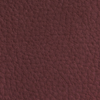
Auburn Hue | Chenille Micro Boucle
Boucle
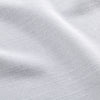
Marshmallow White | Classic Boucle
Midnight Black | Classic Boucle
Woven Fabric
Wheat | Plain Weave
Valentino | Structured Woven
Chalk | Heavyweight Structured Woven
Mirror Chrome Plating
Polished | Stainless Steel
Brushed | Stainless Steel
White | Powder Coat
Black | Powder Coat
Details
1 / of6
Product Information
Product Details
Barna Ottoman Construction:
Originally designed by Ludwig Mies van der Rohe for the German Pavilion at the 1929 International Exposition in Barcelona, the Barcelona Stool is a foundational work of modern furniture design. Inspired by the classical folding chairs used by Roman magistrates, Mies adapted this historical reference with modern materials and precision, creating a piece that complements the iconic Barcelona Chair while standing on its own as a versatile design.
The stool’s polished and ground steel frame achieves a seamless, mirror-like finish. The upholstered cushion is made with polyurethane foam and polyester fibre, supported by durable hide belting leather straps to ensure comfort and longevity. The cushion is upholstered with 16 individually cut, hand-welted, and hand-tufted panels for a refined and tailored appearance.
The original design of the Barcelona Stool is part of the permanent collection of the Museum of Modern Art (MoMA) in New York and was recognized with the Museum of Modern Art Award in 1977. Mies’s approach of “less is more” is reflected in the stool’s thoughtful construction and timeless appeal.
Shop the Barna Series: Stool Ottoman, originally designed as the Barcelona Stool by Mies van der Rohe, online in Canada and the USA. Bring the history of Bauhaus Design and International Style into your space.
The Barna Ottoman can be paired with the Barna Lounge Chair or used independently as extra seating or a side table.
Designer
Mies van der Rohe
Ludwig Mies van der Rohe was a German-American architect and designer who profoundly shaped modern architecture and furniture design. He began his career in Berlin before emigrating to the United States in 1937. Van der Rohe''s minimalist aesthetic is epitomized by his motto "less is more." His iconic Barcelona Chair and Ottoman (1929) were designed with Lilly Reich for welcoming the Spanish King and Queen to the German Pavilion at the Barcelona International Exhibition. His Barcelona Daybed (1930) and MR Chair series (1927) further showcase his mastery of minimalist form with organic and industrial materials. Mies's architectural achievements include the Seagram Building in New York and the Farnsworth House . His work is characterized by clean lines, detailed craftsmanship, and innovative use of industrial materials.
Construction
Upholstery: Constructed of 16 individual, hand cut, welted and sewn panels in custom Premium Hide or Fabric Selection from Archetype Forms
Structure: Polished & Ground 304 Stainless Steel, Chrome or Other Premium Treated, Painted or Powder-Coated Option from Archetype Forms
Padding: Polyurethane Foam and Polyester Fibre
Archetype Forms reserves the right to make any changes it deems appropriate to the products at any time and without notice. For specific materials, finishes and coatings, and dimensions associated with each individual product, please contact us.
Reproduction
The Archetype Forms Barna Series: Stool Ottoman is a faithful reproduction of the original Mies van der Rohe Barcelona Stool Ottoman, model 251Y. This item is not manufactured by or affiliated with the original designer(s) and associated parties.
Ludwig Mies van der Rohe was a German-American architect and designer who profoundly shaped modern architecture and furniture design. He began his career in Berlin before emigrating to the United States in 1937. Van der Rohe''s minimalist aesthetic is epitomized by his motto "less is more." His iconic Barcelona Chair and Ottoman (1929) were designed with Lilly Reich for welcoming the Spanish King and Queen to the German Pavilion at the Barcelona International Exhibition. His Barcelona Daybed (1930) and MR Chair series (1927) further showcase his mastery of minimalist form with organic and industrial materials. Mies's architectural achievements include the Seagram Building in New York and the Farnsworth House . His work is characterized by clean lines, detailed craftsmanship, and innovative use of industrial materials.
Subscribe to our Emails
Be the first to know about new collections and exclusive offers.
Search
Choosing a selection results in a full page refresh.