1925-2009

Michel Ducaroy

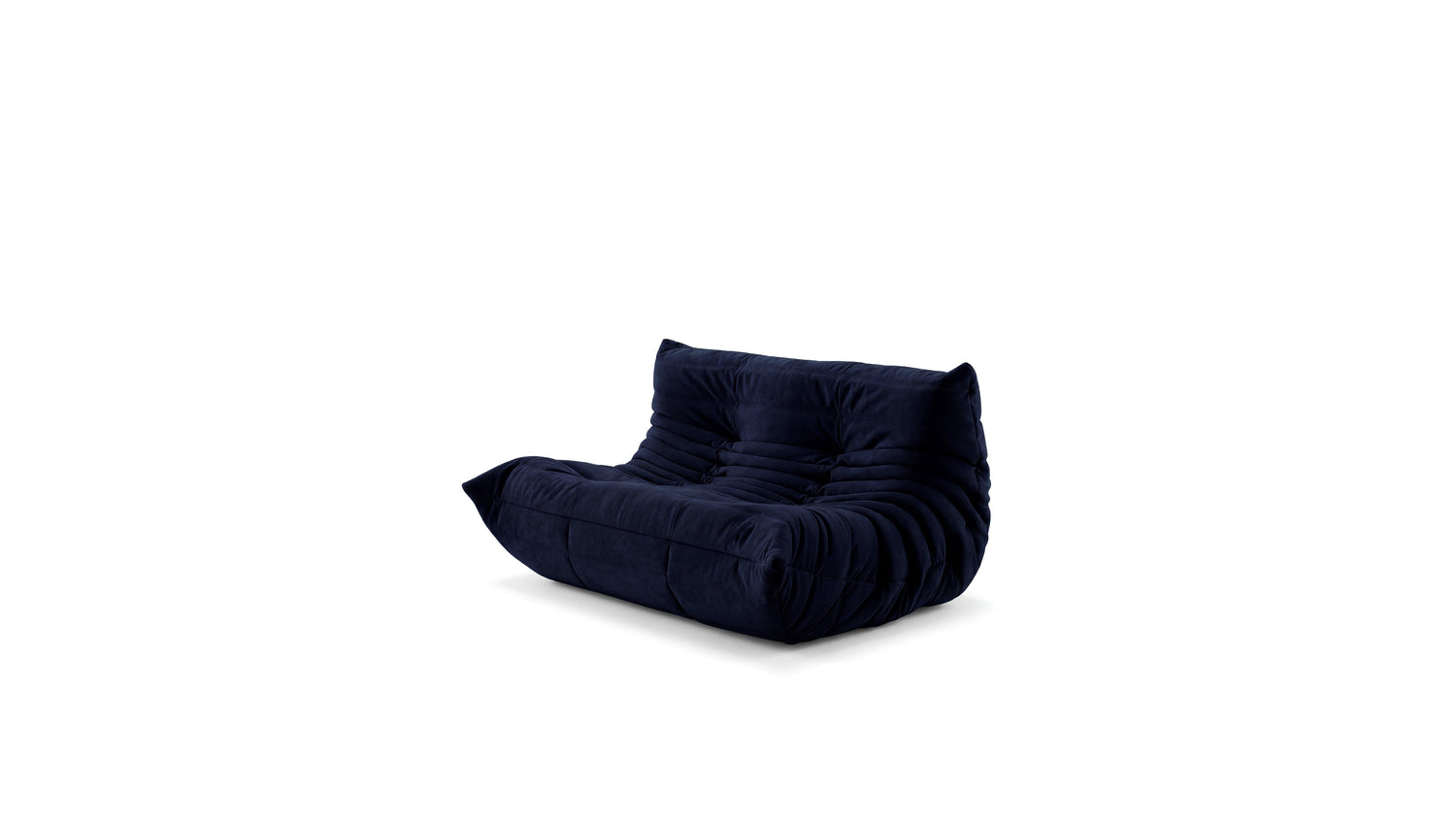
Michel Ducaroy Furniture and TOGO Original Designer, blue TOGO loveseat without arms on white background

Michel Ducaroy

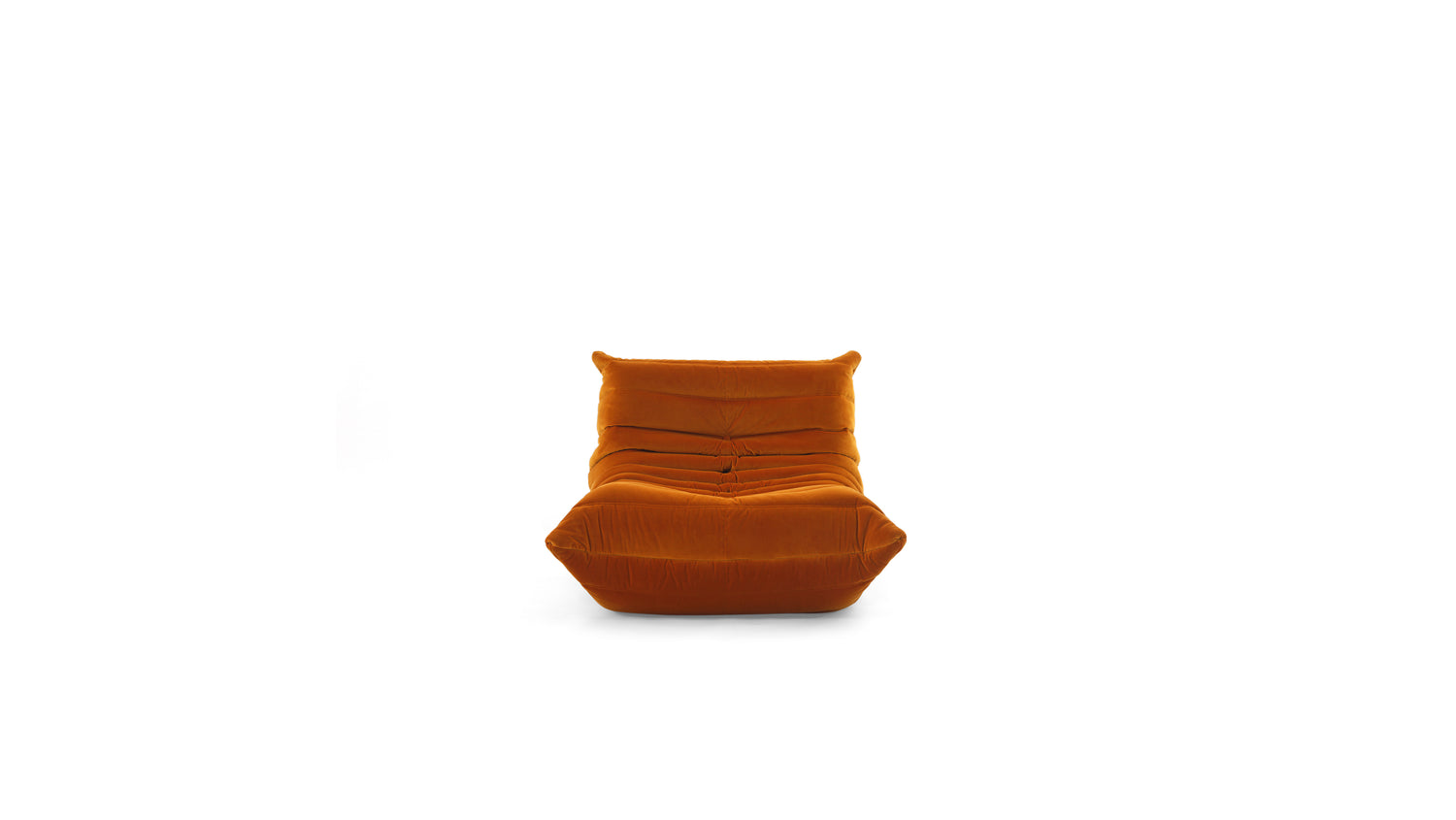
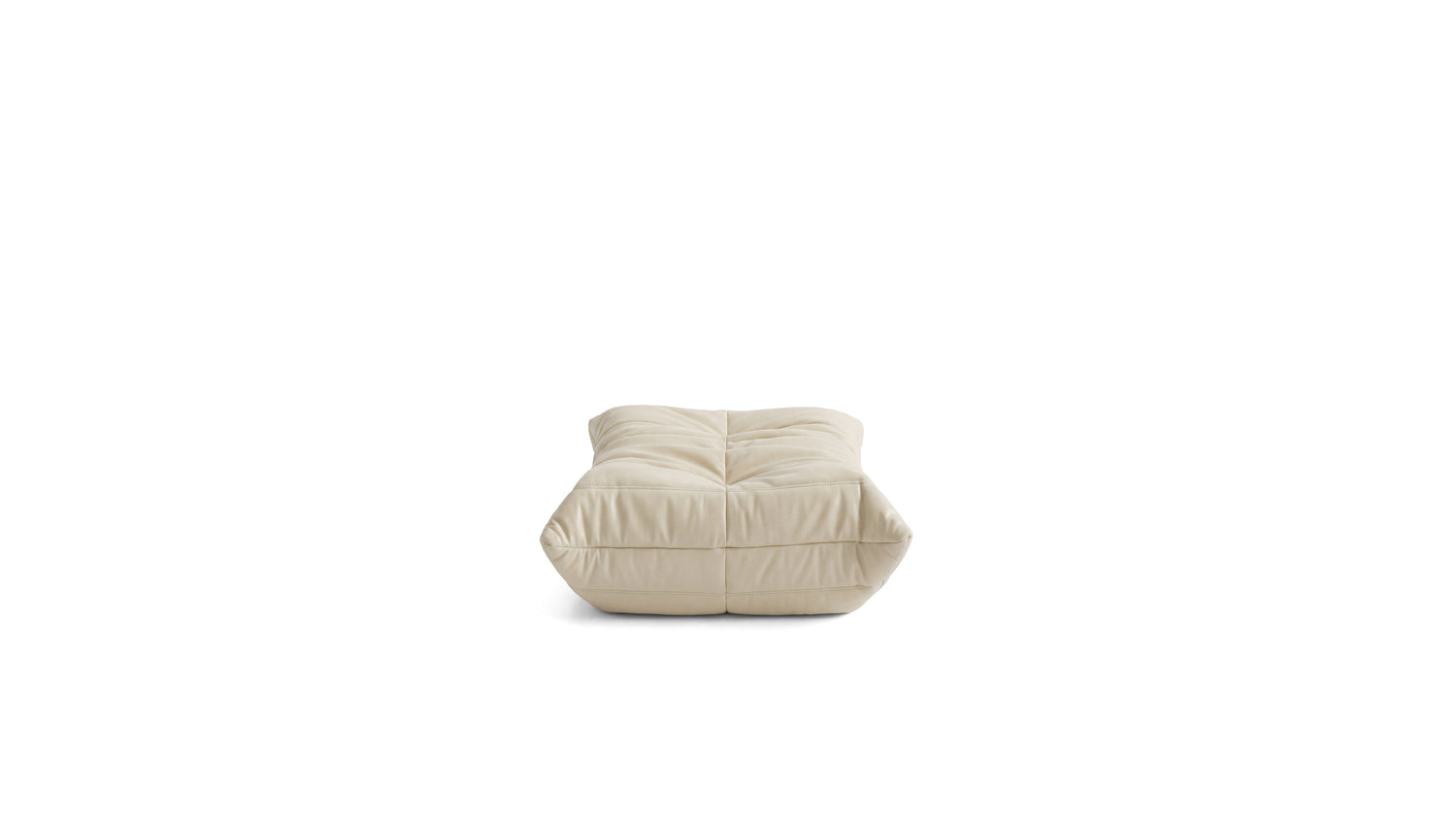
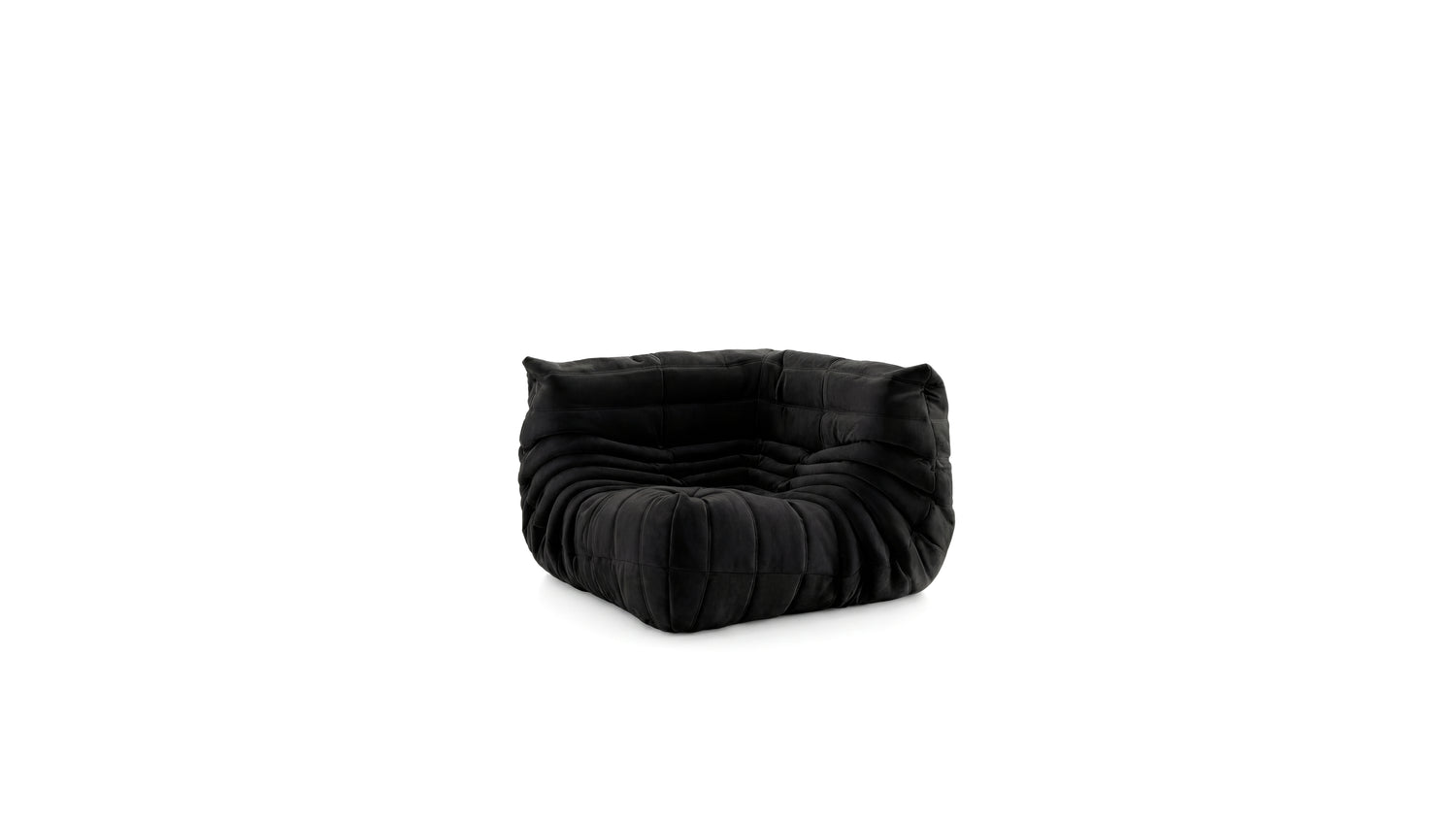
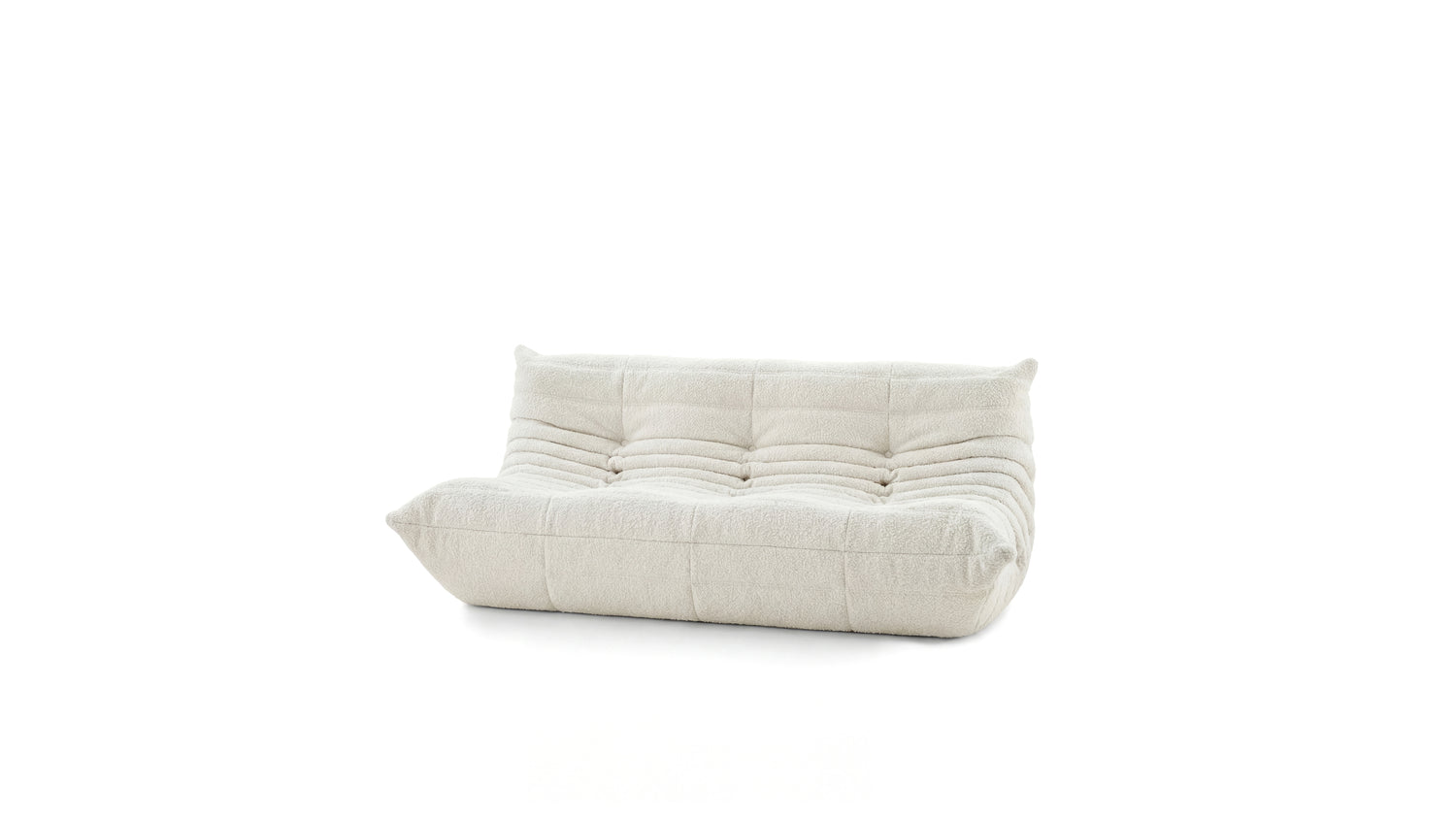
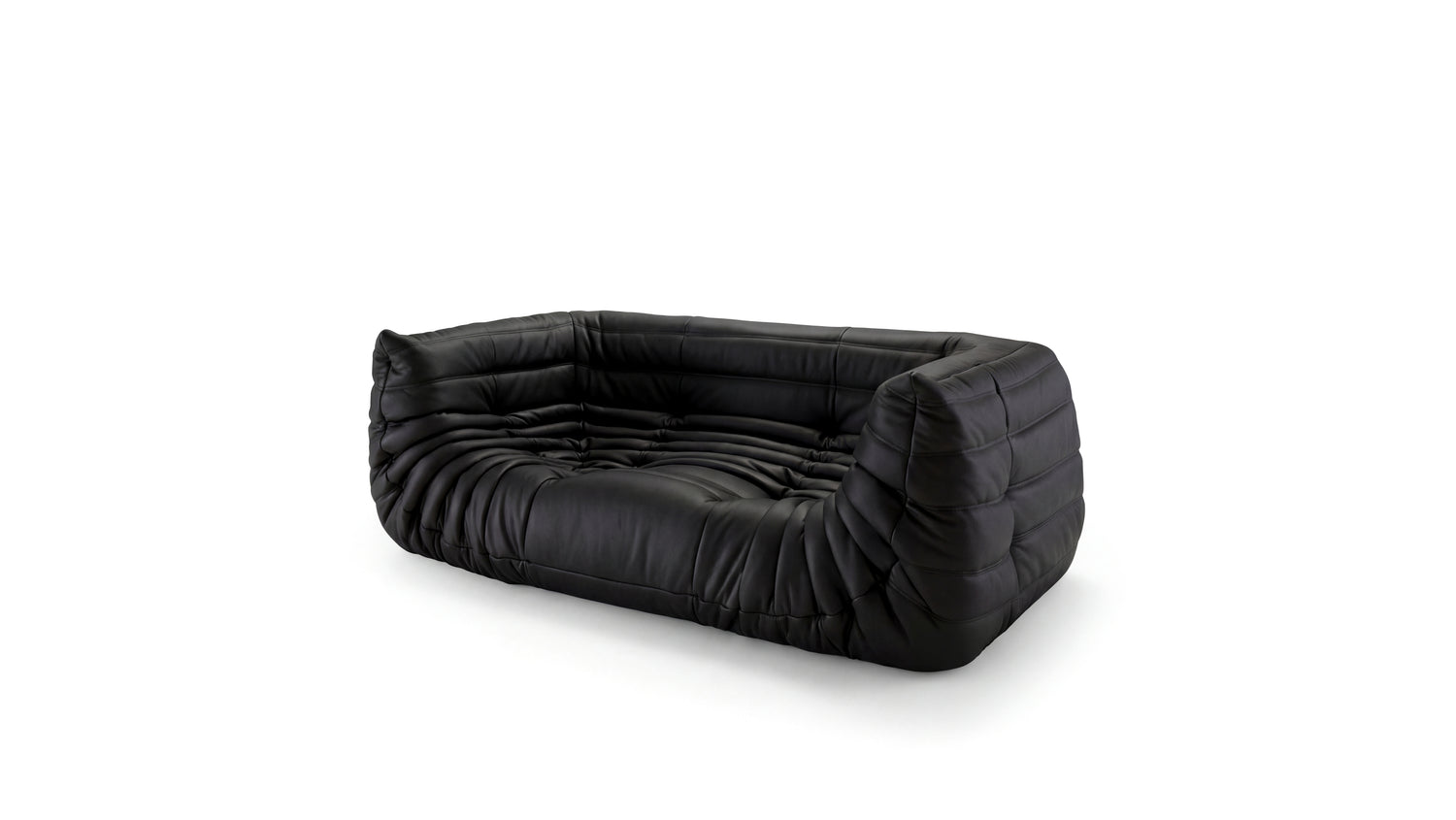
Michel Ducaroy (1925–2009) was a French furniture designer known for pioneering foam-based furniture construction. Born in Lyon, he began his career in the 1950s and spent over three decades developing innovative seating designs. His most recognizable work is the Togo sofa series (1973). It eliminated traditional internal framing in favor of an all-foam construction using multiple densities of polyether foam. The signature quilted, wave-like silhouette earned him the René-Gabriel Prize at the Salon des Arts Ménagers in Paris.

Read More

Before the TOGO, Ducaroy spent years developing earlier all-foam experiments — the Adria, Kali (1970), Safi, and Marsala (1971) — each one a step toward eliminating the frame entirely. Trained at the École des Beaux-Arts in Lyon, he brought a sculptor's understanding of volume and form to furniture design, approaching the sofa not as a carpentry problem but as a material science one. The TOGO was where that process concluded — not a single breakthrough, but the result of nearly a decade of iterative research into foam density, layering, and upholstery construction.

Ducaroy was part of a broader movement in 1970s furniture design that rejected rigid traditional frames in favor of soft, inviting forms. Mario Bellini's Le Bambole, Afra and Tobia Scarpa's Soriana, and Gaetano Pesce's UP Series all explored similar ideas around the same time. Together, these designers proved that furniture could be both structurally innovative and deeply comfortable.

Ducaroy also designed the Kashima seating collection, and the Calin lounge chair. Despite a prolific output across four decades, no subsequent design eclipsed the TOGO. It has been produced continuously since 1973 and has sold over 1.5 million units globally, placing it among the best-selling furniture designs of the 20th century. For a full technical breakdown of what makes it so costly and complex to produce, see Why Are TOGO Chairs and Sofas So Expensive?

Michel Ducaroy FAQs

What is Michel Ducaroy known for?
Michel Ducaroy was a French furniture designer best known for the Togo sofa series. The Togo eliminated traditional frames and used only foam for structure and comfort. His work earned the René-Gabriel Prize in 1973 and remains in production over 50 years later.

How did Michel Ducaroy influence design?
Ducaroy was part of a 1970s movement that transformed furniture design. Alongside designers like Mario Bellini, Afra and Tobia Scarpa, and Gaetano Pesce, he proved that soft materials like foam could replace rigid frames. This shift influenced generations of designers.

What was Michel Ducaroy's design philosophy?
Ducaroy focused on comfort, simplicity, and accessible pricing. The René-Gabriel Prize specifically honored the Togo as "innovative and democratic furniture" for its quality-to-price ratio. He believed good design should be available to everyone.

What other furniture did Michel Ducaroy design?
Beyond the Togo, Ducaroy created several notable seating designs including the Marsala armchair, the Kashima seating collection, and the Calin lounge chair.

Collection: Michel Ducaroy

Michel Ducaroy

Before the TOGO, Ducaroy spent years developing earlier all-foam experiments — the Adria, Kali (1970), Safi, and Marsala (1971) — each one a step toward eliminating the frame entirely. Trained at the École des Beaux-Arts in Lyon, he brought a sculptor's understanding of volume and form to furniture design, approaching the sofa not as a carpentry problem but as a material science one. The TOGO was where that process concluded — not a single breakthrough, but the result of nearly a decade of iterative research into foam density, layering, and upholstery construction.

Ducaroy was part of a broader movement in 1970s furniture design that rejected rigid traditional frames in favor of soft, inviting forms. Mario Bellini's Le Bambole, Afra and Tobia Scarpa's Soriana, and Gaetano Pesce's UP Series all explored similar ideas around the same time. Together, these designers proved that furniture could be both structurally innovative and deeply comfortable.

Ducaroy also designed the Kashima seating collection, and the Calin lounge chair. Despite a prolific output across four decades, no subsequent design eclipsed the TOGO. It has been produced continuously since 1973 and has sold over 1.5 million units globally, placing it among the best-selling furniture designs of the 20th century. For a full technical breakdown of what makes it so costly and complex to produce, see Why Are TOGO Chairs and Sofas So Expensive?

Michel Ducaroy FAQs

What is Michel Ducaroy known for?
Michel Ducaroy was a French furniture designer best known for the Togo sofa series. The Togo eliminated traditional frames and used only foam for structure and comfort. His work earned the René-Gabriel Prize in 1973 and remains in production over 50 years later.

How did Michel Ducaroy influence design?
Ducaroy was part of a 1970s movement that transformed furniture design. Alongside designers like Mario Bellini, Afra and Tobia Scarpa, and Gaetano Pesce, he proved that soft materials like foam could replace rigid frames. This shift influenced generations of designers.

What was Michel Ducaroy's design philosophy?
Ducaroy focused on comfort, simplicity, and accessible pricing. The René-Gabriel Prize specifically honored the Togo as "innovative and democratic furniture" for its quality-to-price ratio. He believed good design should be available to everyone.

What other furniture did Michel Ducaroy design?
Beyond the Togo, Ducaroy created several notable seating designs including the Marsala armchair, the Kashima seating collection, and the Calin lounge chair.