


-
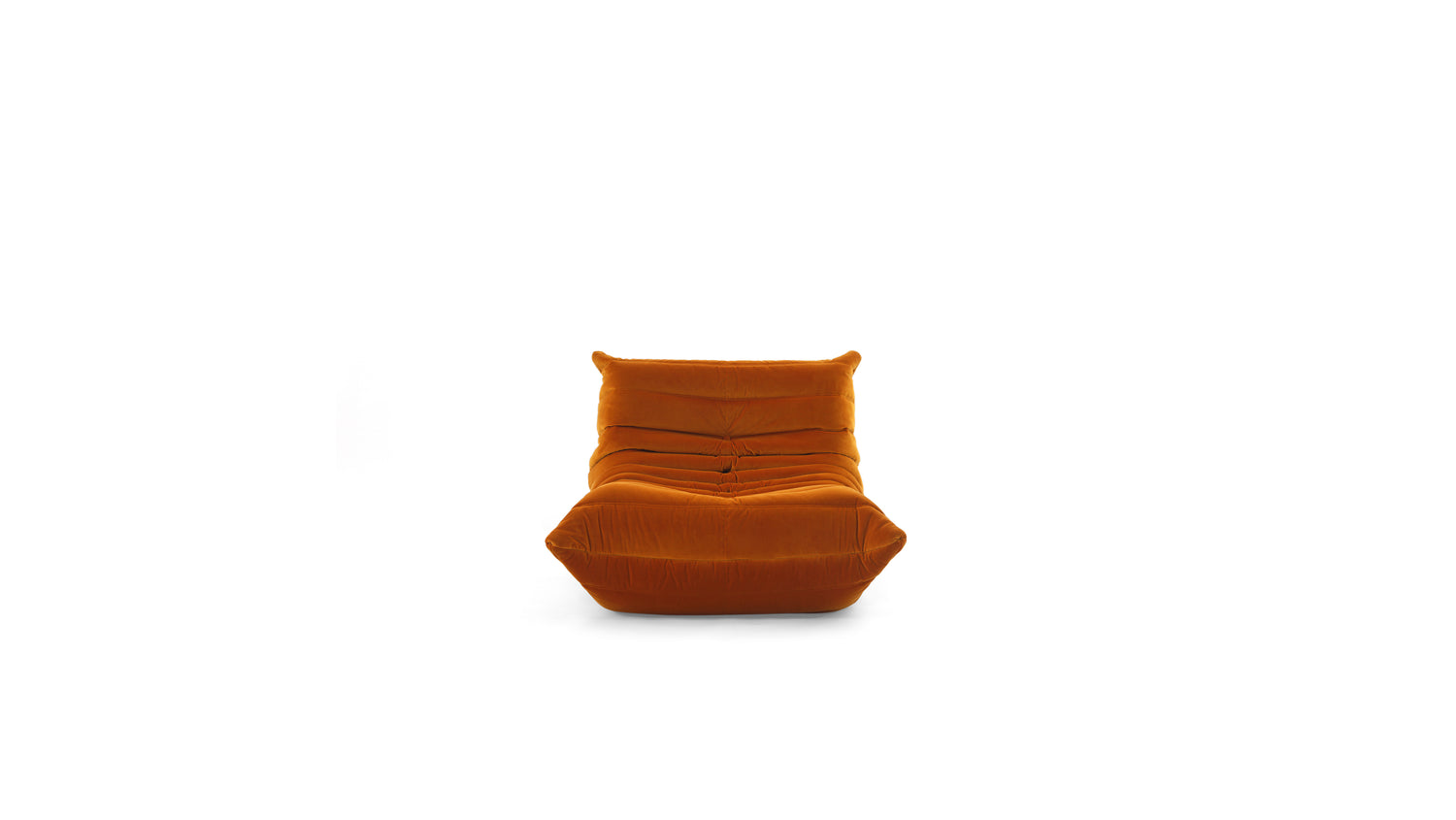
Partir Ducaroy: Fireside Chair
Vendor:Hommage À Michel DucaroyRegular price From $1,800.00 USDRegular price -
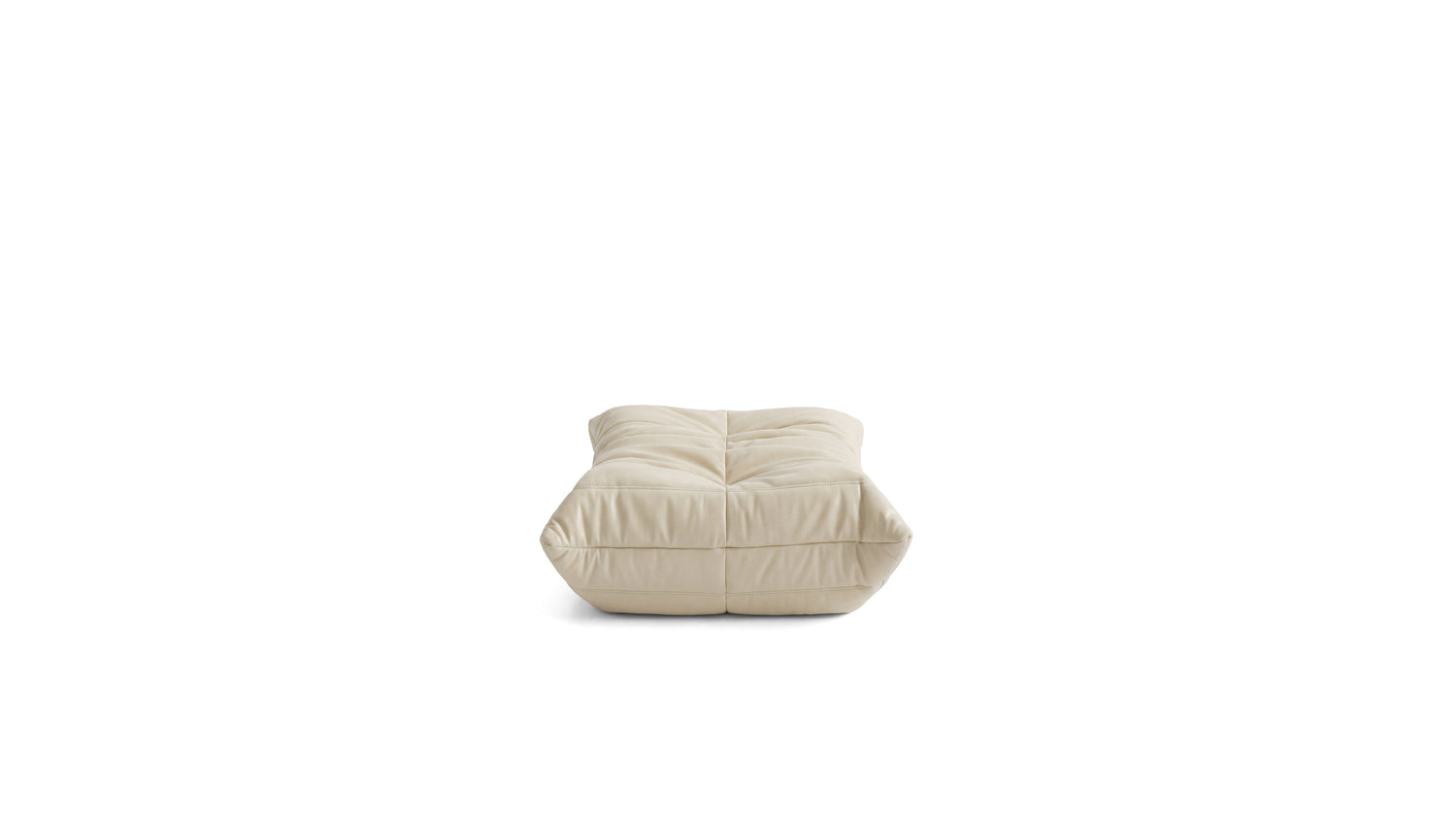
Partir Ducaroy: Pouf Ottoman
Vendor:Hommage À Michel DucaroyRegular price From $1,200.00 USDRegular price -
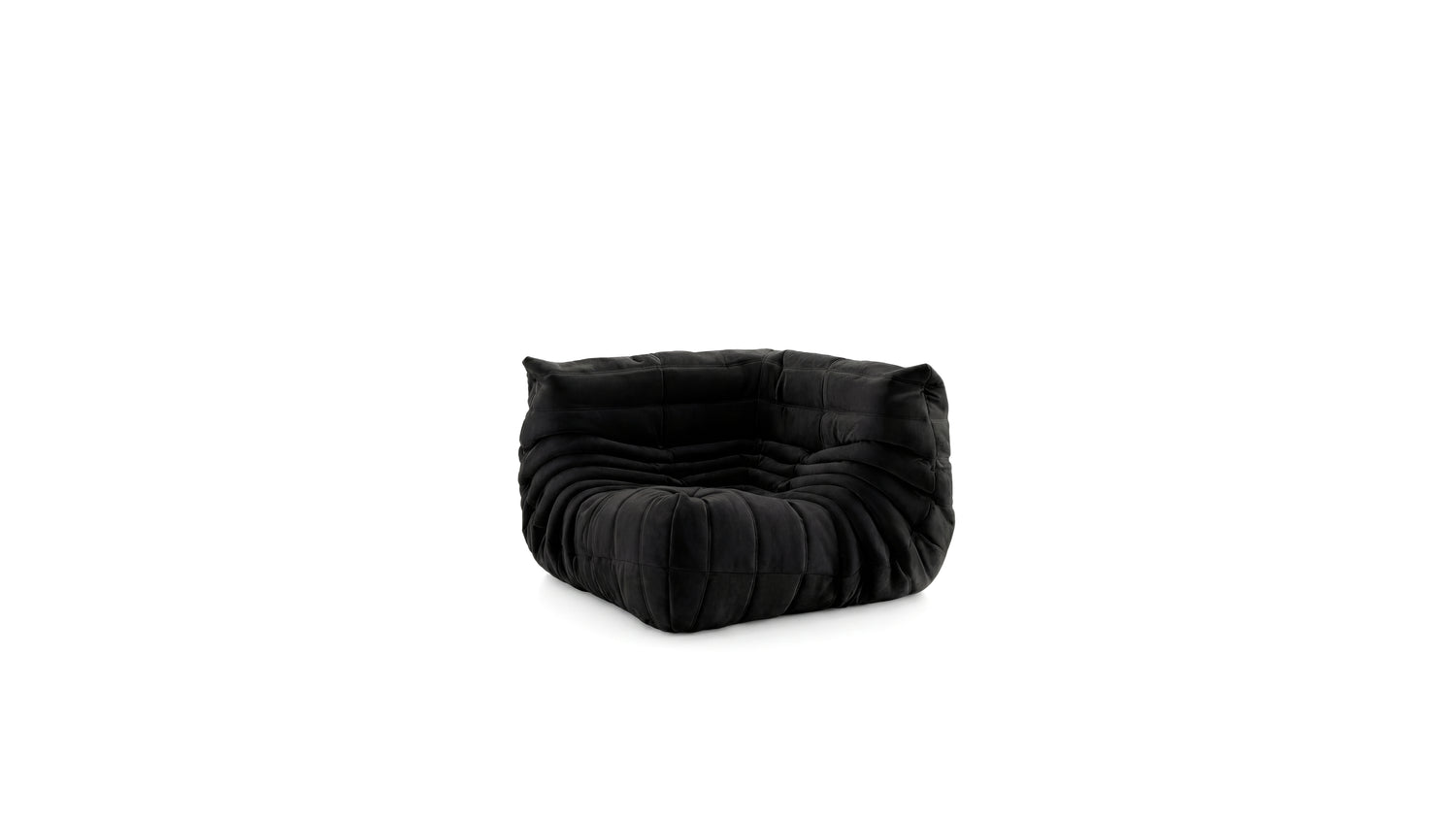
Partir Ducaroy: Corner Seat
Vendor:Hommage À Michel DucaroyRegular price From $1,800.00 USDRegular price -
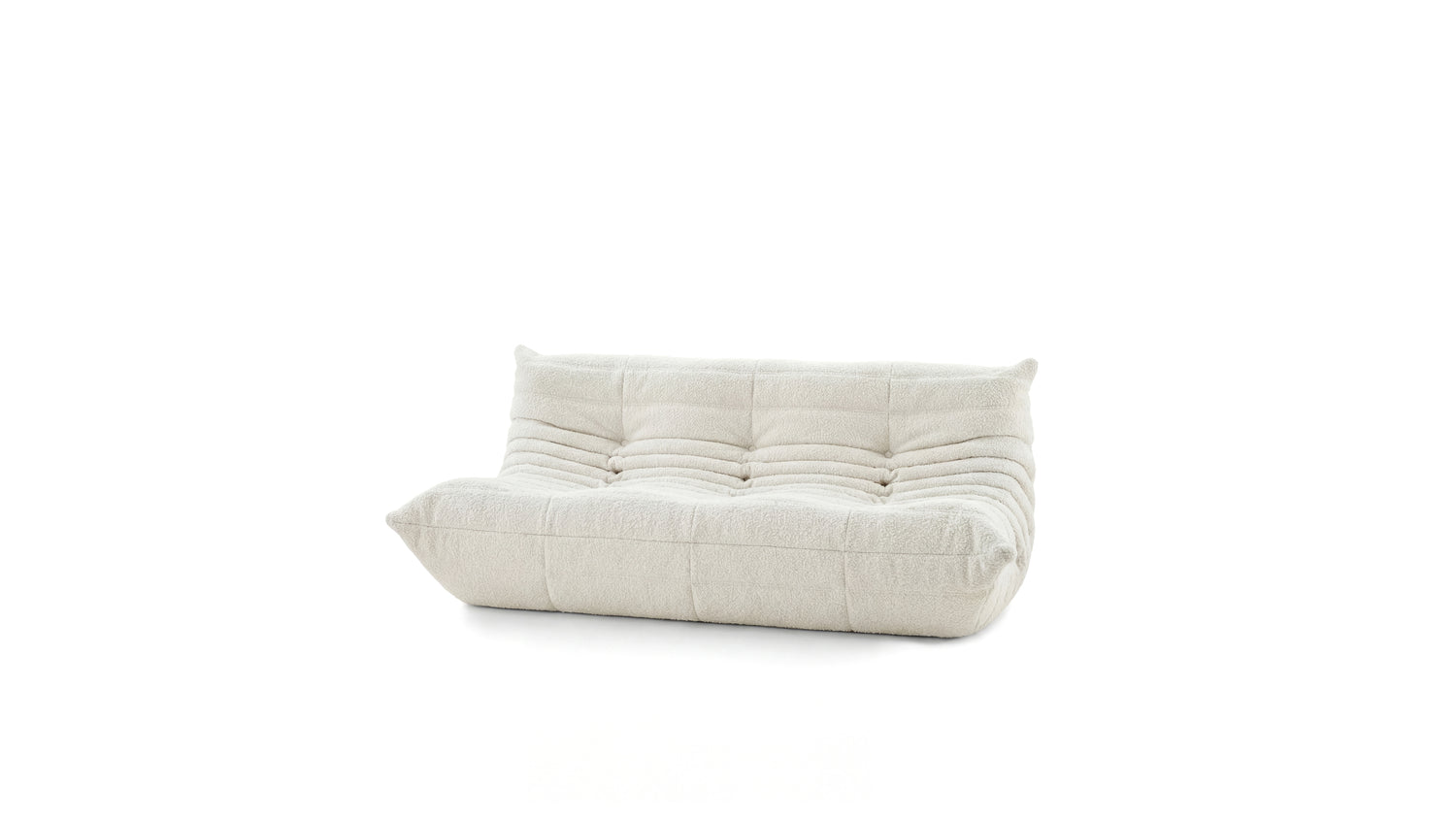
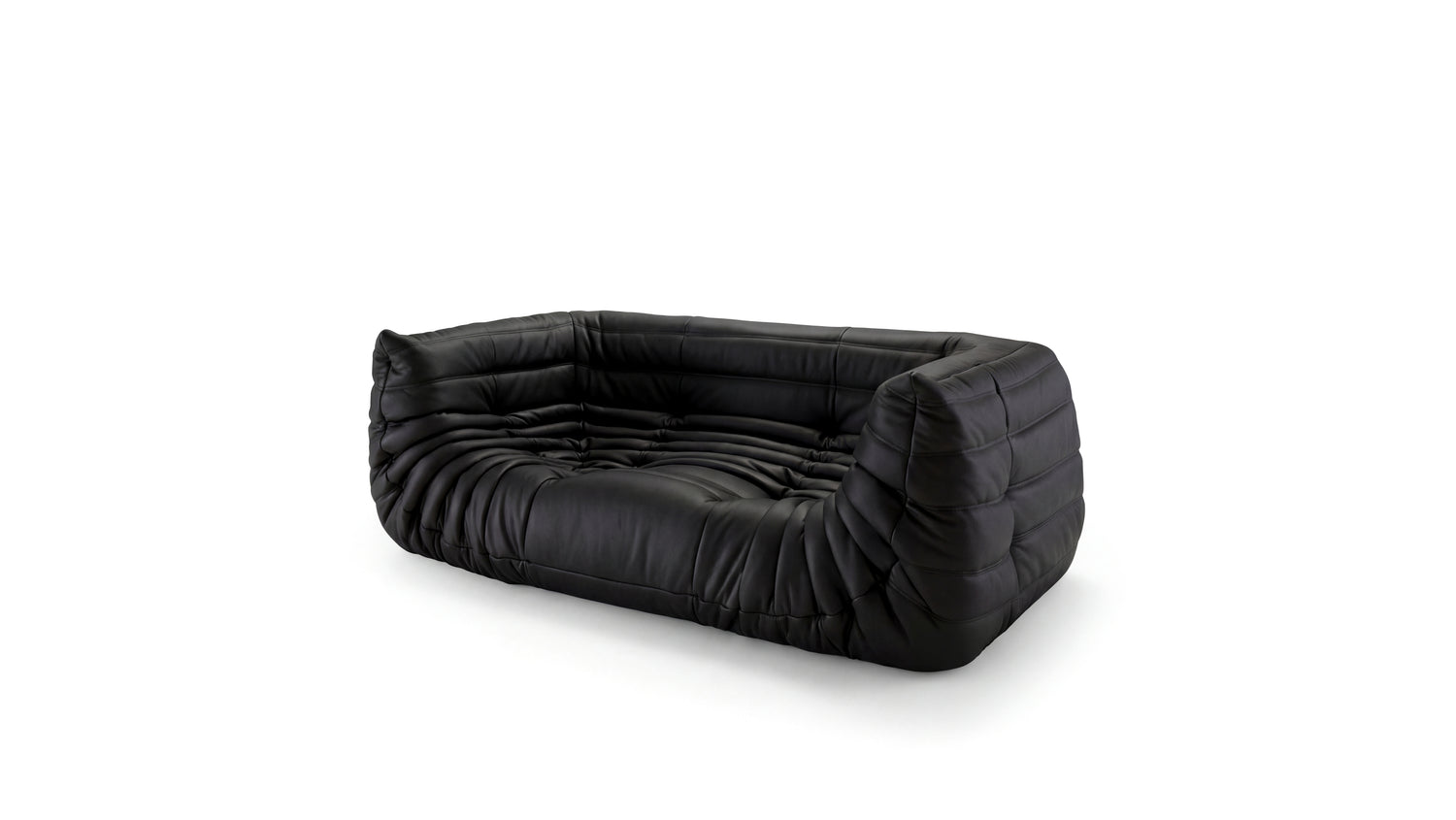
Partir Ducaroy Sofa: 3-Seater without Arms
Vendor:Hommage À Michel DucaroyRegular price From $2,400.00 USDRegular price -
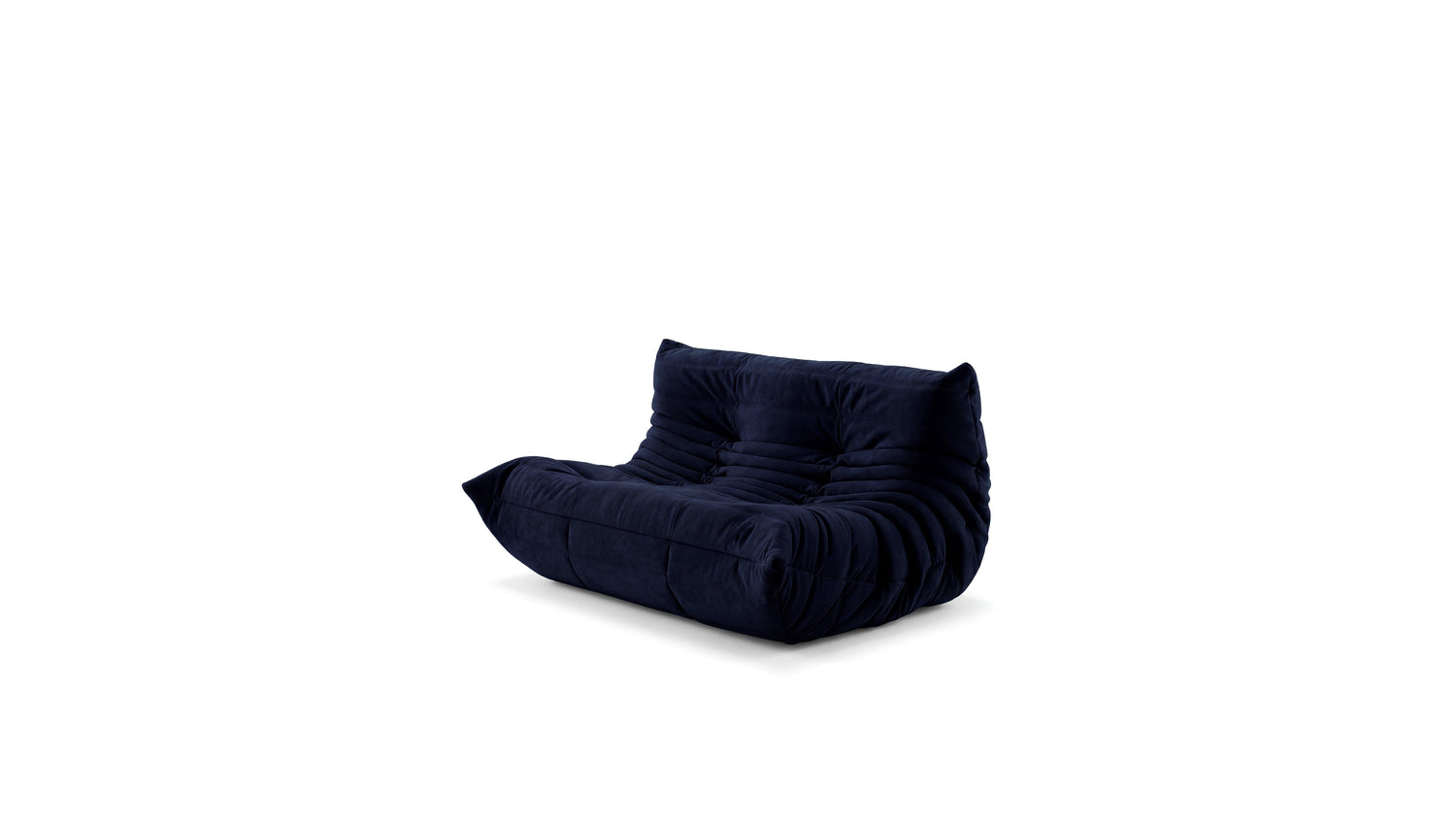
Partir Ducaroy Loveseat: Sofa without Arms
Vendor:Hommage À Michel DucaroyRegular price From $2,200.00 USDRegular price -
Partir Ducaroy: Lounge
Vendor:Hommage À Michel DucaroyRegular price From $2,700.00 USDRegular price -
Partir Ducaroy Sofa: Medium
Vendor:Hommage À Michel DucaroyRegular price From $2,600.00 USDRegular price







Partir Ducaroy Collection: TOGO Sofa and Chair Buying Guide
The TOGO sofa and chair series by Ligne Roset is one of the most reproduced pieces of 20th-century furniture. Originally designed by Michel Ducaroy in 1973, it has been in continuous production and reproduction for over fifty years. That longevity has produced a wide market with a wide range of quality.
This guide covers what to look for when evaluating a TOGO sofa or chair, and what separates the Archetype Forms Partir Ducaroy collection from most of what is available.
In this guide
Stage 01
Understand what you are buying
The original TOGO sofa series, designed for Ligne Roset in 1973, was the first sofa built entirely from polyurethane foam. No frame, no springs, no hard internal structure of any kind. Over 1.5 million originals have been produced and it is still in production today.
Because there is no frame, the foam is the architecture. Everything about the sofa, its shape, its support, and how long it holds up, comes entirely from the foam specification, the upholstery construction, and proportions. There are no structural elements underneath to compensate for poor materials.
Across the armless modules, the foam flexes with the body rather than holding it at a fixed angle, and the backrest settles into a semi-reclined position. The medium sofa with arms is a different piece. The arms are reinforced with additional foam and brace the structure laterally, producing a more upright backrest and a more contained feel. Both are lounging pieces, not designed for upright working posture.
The Archetype Forms Partir Ducaroy collection is based on an in-depth study of Ducaroy's original 1973 blueprints and a deconstruction of the models. It reproduces the design using the same foam specifications, proportions, and upholstery construction as the original series.
Stage 02
Know the specification
Four construction elements determine whether a TOGO reproduction will hold up or fail. Here is what to look for in each.

Foam: density and layering
The original TOGO uses three foam densities in a fixed sequence. The Partir Ducaroy is built to the same specification:
- High-density base (35 to 38kg/m³) — Original TOGO & Partir Ducaroy: holds the footprint and prevents the seat from spreading or bottoming out under load.
- Medium-density core (28 to 30kg/m³) — Original TOGO & Partir Ducaroy: distributes body weight, provides primary support, and drives the rebound that recovers the shape after use.
- Low-density surface (20 to 22kg/m³) — Original TOGO & Partir Ducaroy: creates the immediate softness on contact and the signature gathered appearance of the silhouette.
- Single-density foam (most reproductions): compresses evenly, does not recover well, and loses its definition with regular use. The seat spreads and the surface flattens. Neither failure is recoverable.
Foam: shipping method
A large portion of TOGO-style sofas and chairs on the market ship vacuum-compressed, folded or rolled to a fraction of their finished size to reduce freight costs. High-density polyether foam held compressed for weeks during shipping can undergo irreversible cellular deformation. It does not fully recover its volume or resilience once unpacked.
- Original TOGO & Partir Ducaroy: ships in full volume, non-compressed.
- Compressed-ship reproductions may look correct when new and deteriorate faster than expected from that point.
Upholstery: batting and cover construction

The TOGO's quilted folds are built into the cover itself, not stretched over foam. A layer of polyester batting is sewn directly into the reverse of each panel before cutting. This gives each panel its own volume, holds the channels under tension, and produces the gathered surface the original design is known for.
- Original TOGO & Partir Ducaroy: fully sewn cover with batting integrated throughout. No adhesive used at any point.
- Without batting, fabric lays flat against the foam and channels lose definition with use.
- Glued covers break down with use and temperature change. Material lifts at the edges, detaches in patches, and cannot be corrected short of reupholstering.

Base lining and proportions
The underside of each Original TOGO and Partir Ducaroy module is lined with a tightly woven ticking fabric. This prevents foam migration through the outer cover and keeps modules from shifting on smooth flooring during use. Reproductions that skip the ticking base will slide and feel noticeably lighter.
The quilting channels on the original TOGO sofa and chair series are not evenly spaced and button positions are specific to each panel. The Partir Ducaroy was developed from a direct study of the original. Small deviations in proportions or channel placement produce a sofa that may pass a photograph but sits and reads differently in person. A correctly built TOGO fireside chair or sofa with arms requires 40 to 60 hours of manual work. Any piece produced significantly faster has cut steps in this process.

Stage 03
Compare your options
Three categories exist in the TOGO sofa and chair market.
Ligne Roset
- Benchmark construction and manufacturing standard
- 50 years of continuous production
- Full brand heritage and provenance
- Strong secondary market value
Partir Ducaroy by Archetype Forms
- Built to the same construction and manufacturing standard as the original
- Triple-density foam to original specification
- Batting-integrated sewn cover to original specification, no adhesive
- Ships non-compressed in full volume, to original specification
- Ticking base lining on every module, to original specification
- Proportions developed from a study of the original
Non-specification reproductions
- Single-density foam, often compressed
- Fabric glued or machine-stitched to foam
- No batting, channels lay flat
- No ticking base, slides on smooth floors
- Fails weight, rebound, and surface tests
The 1973 designs are in the public domain, which allows brands like Archetype Forms to produce pieces built to the original technical specification.
Stage 04
Choose your module
The TOGO series was designed as a modular ecosystem. Modules connect by contact with no clips, brackets, or connectors. The weight of each module and the friction of the ticking base keep arrangements stable during normal use. Modules can be separated and reconfigured without tools.
We carry the complete Partir Ducaroy line, built to match the original series' construction, proportions, height, and depth. All modules are fully upholstered on every side. Mixed upholstery across modules requires no modification.

Partir Ducaroy Fireside Chair
Best for solitary lounging and as a starting module for larger configurations. The foam flexes fully with the body into a semi-reclined position. Approximately 12 to 15kg correctly built.
View the Fireside Chair
Partir Ducaroy Lounge (Chaise)
Best for total leg elevation and extended rest. The fixed incline places the highest structural demand on the foam and is where off-specification construction shows earliest.
View the Lounge
Partir Ducaroy Medium Sofa with Arms
Best for those who prefer a more upright backrest and a more contained seating position. The arms are reinforced with internal foam with no wooden frame. The most structured module in the collection.
View the Medium Sofa with Arms
Partir Ducaroy Loveseat (2-Seater, Armless)
Best for compact pit configurations. Pairs with a corner seat for L-shaped arrangements. Full dynamic foam movement in a semi-reclined position.
View the Loveseat
Partir Ducaroy 3-Seater Sofa (Armless)
Best for larger pit configurations with maximum flex and openness. The primary building block for U-shaped arrangements alongside the corner seat.
View the 3-Seater
Partir Ducaroy Corner Seat
Best for locking armless sofa units into L-shaped or U-shaped pit configurations. Fully upholstered on all sides and shares the same flex and semi-reclined character as the other armless modules.
View the Corner Seat
Partir Ducaroy Pouf Ottoman
Best for leg elevation, use as a low coffee table, or as a secondary seat. Recommended for users above 6'2". Same triple-density construction throughout.
View the PoufDimensions
| Module | Width | Depth | Height |
|---|---|---|---|
| Pouf Ottoman | 34" | 32" | 15" |
| Fireside Chair | 35" | 40" | 28.25" |
| Corner Seat | 40" | 40" | 28.25" |
| Loveseat (Armless) | 52.5" | 40" | 28.25" |
| Lounge / Chaise | 64" | 52" | 28.25" |
| 3-Seater (Armless) | 69" | 40" | 28.25" |
| Medium Sofa (With Arms) | 78" | 40" | 28.25" |
All seating modules share a seat height of 15" and a backrest height of 28.25". The Lounge / Chaise seat depth is 52". All others are 40"D.
Stage 05
Choose your material
Each upholstery material behaves differently on the TOGO form. Choose based on how you live with the piece, not just how it looks.
Aniline and semi-aniline leather. Tanned with an open-pore process that leaves the surface largely uncoated. The hide absorbs body oils over time and develops patina at points of regular contact. It will look different in three years, which is characteristic, not a defect. The most natural-feeling leather surface and the least protected against spills and abrasion. Clean with a dry cloth and condition every six to twelve months with a product formulated for open-pore leather. Always clean the entire surface at once, as spot cleaning will show visible differences.
Nubuck. A hide buffed on the grain side to produce a short, standing nap. Similar in appearance to suede but sourced from the grain side rather than the split, making it more durable. Matte surface. Develops patina like aniline leather but reads softer. Requires a nubuck brush for maintenance and should not be saturated with water. For oil stains, apply baby powder, compact it into the surface, leave for 24 hours, then brush off.
Velvet. A pile weave. The pile direction changes how the colour reads from different angles, a quality called pile shading. Adds visual depth and warmth to the TOGO form. Brush periodically in the direction of the weave.
Chenille. Dense looped yarn. Softer and more textural than velvet, more casual in appearance, and less prone to pilling than lighter pile weaves.
Bouclé. A looped weave with a nubby, low-sheen texture. Reads quietly against the TOGO's quilted surface, which is why it works particularly well with this design.
Stage 06
Evaluate before you buy
Most TOGO sofas and chairs are purchased online without the ability to sit in them first. The four benchmarks below apply whether you are buying in person or from a product listing. For each one, we have included what to look for from a seller and what the Partir Ducaroy specification is.
- 1 Weight. High-density foam is heavy. A correctly built fireside chair should weigh 12 to 15kg. A three-seat sofa with arms should be 60 to 65kg. The Partir Ducaroy is built to the same foam density as the original, falling within the same weight range as the original Ligne Roset pieces.
- 2 Foam specification. Online, you cannot do the rebound test directly. Determine the densities of foam. THe original has 3 densities, plus the additional batting sewn to the cover. The Partir Ducaroy uses three layers: high-density base at 35 to 38kg/m³, medium-density core at 28 to 30kg/m³, and low-density surface at 20 to 22kg/m³, matching the original Ligne Roset specification.
- 3 Cover construction. A batted, hand-tufted cover has visible depth in the pleats, consistent channel definition, and fabric with its own body. A glued or unlined cover looks flat and the channels appear stitched rather than folded and formed. Check if the upholstery uses integrated polyester batting or whether fabric is bonded directly to the foam. The Partir Ducaroy cover is fully sewn with batting integrated throughout every panel. No adhesive is used at any point.
- 4 Base lining. Ask the seller what the underside of the module is lined with. A ticking fabric base is correct. A plain or synthetic lining, or no lining at all, means the ticking has been skipped and the piece will slide on smooth flooring and feel lighter than it should. Every Partir Ducaroy module is lined with tightly woven ticking fabric on the underside.
What to know before ordering
Seat height and posture. All modules share a seat height of 15 inches, which is substantially lower than a standard sofa at 18 to 20 inches. The armless modules settle into a semi-reclined position and flex with the body. The medium sofa with arms has a more upright backrest and a more structured feel. All are lounging pieces and none are suited to upright working posture.
Taller users. Users above roughly 6'2" often find leg extension improved by pairing any seating module with the Pouf Ottoman.
Cover removal. The upholstery cover is not removable. Vacuum the channels regularly. The quilted surface collects debris in the seams.
Longevity
A piece that performs correctly for 15+ years is a fundamentally different purchase from one that deteriorates in two. High-resilience polyether foam does not crumble or lose its memory over time. The triple-density construction distributes load across three distinct layers so no single layer takes the full stress of use, preventing premature deterioration.
The original TOGO series has remained Ligne Roset's most popular product for over fifty years. Well-maintained pieces and high-quality reproductions like the Partir Ducaroy, will still look and perform correctly after fifteen years can be resold. One that was built off-specification, once it has compressed and lost its form, cannot.
Ergonomics
The absence of a frame is the defining ergonomic feature across the collection, though it expresses itself differently depending on the module.
- All armless modules share the same dynamic flex. The foam distributes weight continuously and moves with the body rather than against it, with the backrest settling into a semi-reclined position.
- The medium sofa with arms has a more upright backrest. The arms are reinforced with additional internal foam and brace the structure laterally, reducing the flex of the frameless design and producing a more contained, structured feel.
- Seat height is 15" across all modules.
Care
Vacuum the quilted channels regularly with a soft brush or crevice attachment. Debris settles into the seam lines and should be cleared out periodically. For fabric spills, blot from the outside inward with a lightly dampened cloth and mild soap. Do not rub. For leather and nubuck, refer to the material guidance above.
- Fabric: vacuum regularly, blot spills, and have it professionally cleaned periodically.
- Leather and nubuck: condition twice a year with leather-specific or nubuck-specific conditioner. Use leather or nubuck cleaning kits. Always clean the full surface, not spot areas.
Design background
Michel Ducaroy spent several years developing all-foam seating at Ligne Roset before the TOGO. The Adria, Kali (1970), Safi, and Marsala (1971) were earlier experiments toward the same concept. The TOGO was where that process concluded. It won the René-Gabriel prize at its Paris debut in 1973, awarded for "innovative and democratic furniture."
The TOGO belongs to a category of foam-structure seating from the same period that includes the Soriana and Le Bambole. Each arrived at the conclusion that a rigid internal frame is unnecessary when the foam itself is the structure. Mario Bellini designed the Le Bambole series in 1972, similarly soft and sculptural but built around a light internal metal frame rather than relying on foam alone. Two solutions to the same question, arrived at almost simultaneously.
Related collections: Hommage à Afra & Tobia Scarpa: Soriana · Hommage à Mario Bellini: Le Bambole
FAQ
Can you sleep on a TOGO sofa or Partir Ducaroy reproduction? The geometry is not flat. The seat planes angle inward at both ends and the backrest pitches upward at a fixed angle. Extended rest is possible on the Lounge/Chaise or the longer sofa modules. It reclines deeply but it is not a bed.
How heavy are the Partir Ducaroy modules? 30 to 50 lbs depending on size and upholstery material. Heavy enough to stay in place during use, but one person can move them.
Can I mix upholstery materials across modules? Yes. No connectors or hardware are involved, so leather, fabric, nubuck, and velvet can be combined freely. A leather Fireside Chair next to a bouclé 3-seater requires no modification.
What separates the Partir Ducaroy from other TOGO reproductions? Triple-density polyether foam to the original specification, a batting-integrated sewn cover with correct channel and button placement, non-compressed shipping in full volume, and a ticking base lining on the underside of each module. Most competing reproductions use single-density compressed foam and skip the batting. This affects feel, floor stability, seating support, and how long the shape holds.
Is the cover removable? No. Vacuum the channels regularly with a soft attachment. For fabric spills, blot inward with a lightly dampened cloth. Do not rub.
Is the Partir Ducaroy the same as the original TOGO sofa series? It is a reproduction, not the original Ligne Roset product. It is built with the same foam, proportions, upholstery construction, and specifications as the original. The engineering, craftsmanship, and materials are matched to the original series.